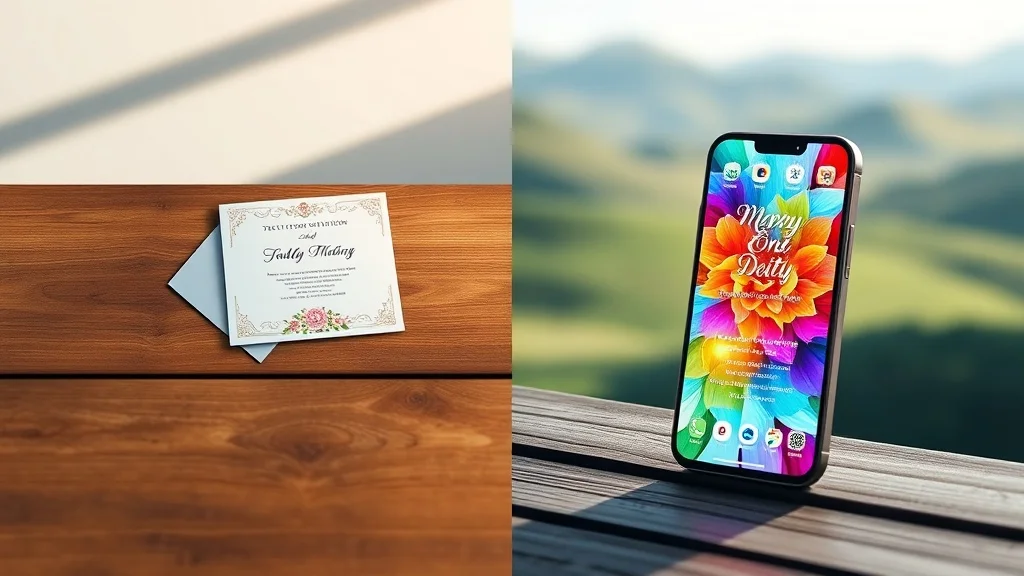
The debate around digital invitations vs printed comes up for almost every event, whether you're planning a wedding for 200 people or a birthday dinner for 15. Both formats have genuine strengths, and both have real drawbacks that most guides gloss over. This breakdown covers the honest pros and cons so you can choose what actually works for your event, your budget, and your guests.
What Makes Digital Invitations Different From Printed Ones?
A digital invitation is any invite sent electronically, through a platform, email, WhatsApp, or a shareable link. A printed invitation is a physical card you design, print, and post or hand-deliver. That sounds obvious, but the difference goes much deeper than just the medium.
Digital invites let you update details after sending, track who opened them, and collect RSVPs automatically. Printed invitations give guests something physical to hold, display on their fridge, and keep as a memento. Each format signals something different about the event and the host.
According to a Statista report on digital consumer behaviour, smartphone penetration globally has crossed 85% in most developed markets, which means the vast majority of your guests will receive and open a digital invite without any friction. That stat alone has shifted how people think about online invites.
Digital Invitations vs Printed: The Full Cost Comparison
Cost is usually the first thing people ask about, and the gap is significant. Printed invitations carry costs at every stage: design, printing, envelopes, postage, and often a rush fee if you're working to a tight deadline. For a wedding with 100 guests, you can easily spend between £200 and £800 just on print and postage.
Digital invitations remove almost all of those costs. You pay for the platform or design tool, sometimes nothing at all, and delivery costs zero. With Invitofy, you send invitations directly from your own WhatsApp number, so guests receive a personal message rather than something that looks like marketing spam.
The invitation cost comparison gets even more stark when you factor in changes. Printed a date that turned out to be wrong? That means a reprint and repost. With digital, you update the details in seconds and everyone gets the corrected version automatically.
For budget-conscious hosts, the savings from going digital often cover an upgrade somewhere else in the event, better flowers, a nicer venue, or a bigger cake.
Eco-Friendly Invitations: Why the Environmental Argument Is Real
Paper invitations have an environmental cost that many people underestimate. The US Environmental Protection Agency estimates that paper and paperboard make up around 23% of all municipal solid waste. A significant chunk of that comes from single-use items like invitations, envelopes, and inserts.
Eco-friendly invitations in digital format generate no physical waste at all. No paper, no ink, no envelope, no delivery vehicle making a trip to your letterbox. For environmentally conscious hosts, this is a meaningful reason to choose digital over print.
That said, digital is not perfectly carbon-neutral. Servers consume energy, and sending large image files or video invites at scale does have a small carbon footprint. But the environmental comparison still overwhelmingly favours digital for almost any event size.
RSVP Management: Where Digital Invitations Win Clearly
Chasing RSVPs is one of the most stressful parts of event planning. With paper invitations, you post a card, include a stamped return envelope, and then wait. Some guests forget, some lose the card, and you end up texting everyone individually anyway three days before the event.
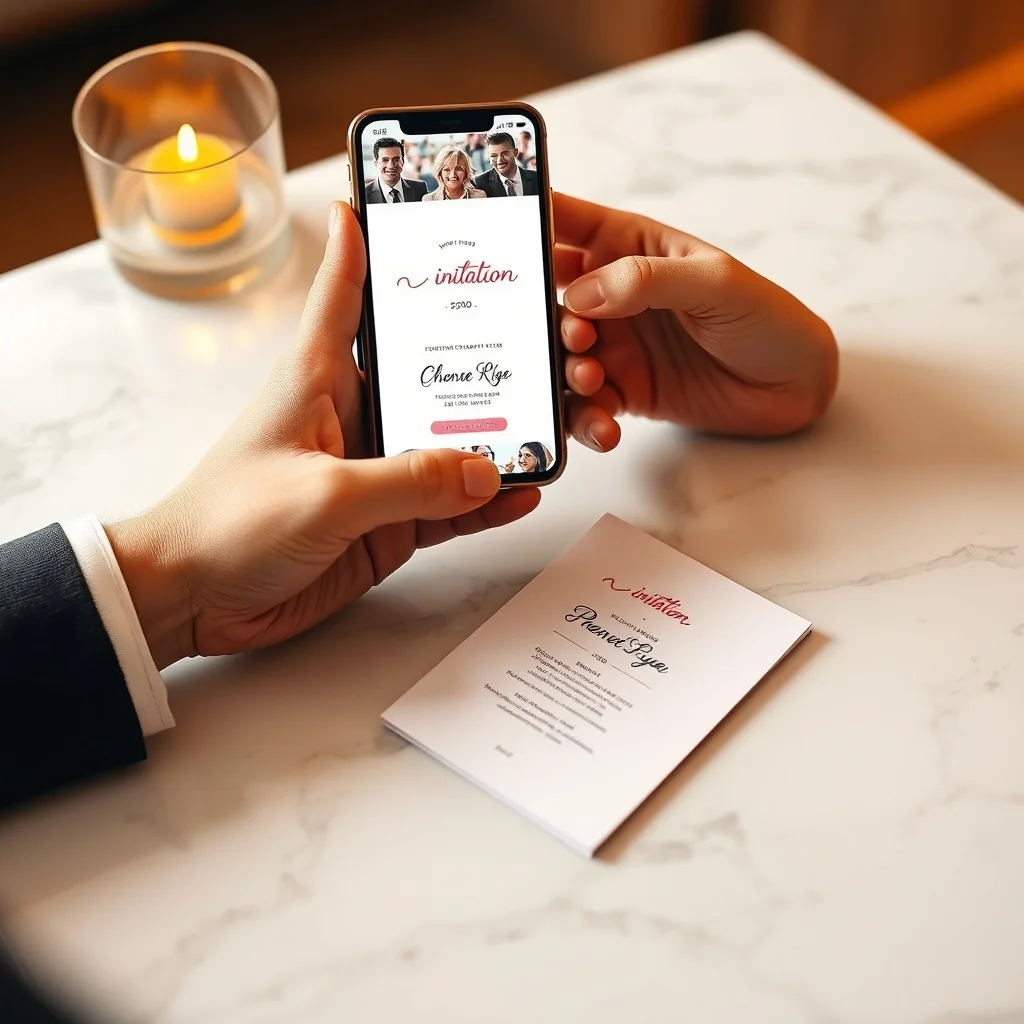
Digital RSVP management eliminates most of that friction. Guests click a link, tap a button, and their response logs instantly. You see in real time who has confirmed, who has declined, and who hasn't responded yet. Invitofy's platform shows you this dashboard the moment you send your first invite, so you're never in the dark about your headcount.
You can also send automated reminders to non-responders without lifting a finger. For large events, that feature alone saves hours of follow-up calls and awkward messages.
Printed invitations simply cannot compete on RSVP management. Even if you include a link or QR code on the card, you're adding a step that many guests skip entirely.
Where Printed Invitations Still Have an Advantage
Printed invitations are not obsolete, and pretending they are would be dishonest. For certain events and certain guest lists, paper invitations still deliver something digital cannot replicate.
Luxury and Formal Events
A thick cotton card with letterpress printing and a wax seal communicates luxury before the guest even reads a word. For black-tie weddings, high-society galas, or events where first impressions carry real weight, the physical invitation sets the tone in a way a WhatsApp message never will. Guests keep beautifully designed paper invitations. They display them, photograph them, and talk about them.
Older Guests With Limited Digital Access
Not every guest list skews young and tech-savvy. If a meaningful portion of your guests are elderly or do not use smartphones confidently, a printed invitation remains the more considerate choice. You can always mix formats, sending digital to most guests and printing a small run for those who need it.
The Keepsake Factor
A beautifully crafted paper invitation can become a keepsake that guests hold onto for years. Parents of the couple, grandparents, close friends who frame mementos from important events. Digital invitations rarely carry that sentimental weight, though some platforms do let guests download a PDF version to keep.
Digital Invitation Benefits Beyond Cost and Convenience
The digital invitation benefits go further than just saving money and getting faster RSVPs. Here are some advantages that often surprise people.
Real-Time Updates
Venues change. Times shift. A speaker drops out and you add a new one. With digital invitations, you update the event details and every guest automatically sees the correct information. With printed invitations, you send a separate update card and hope people read it before they show up at the wrong location.
Personalisation at Scale
Good platforms let you personalise each invite with the guest's name without manually editing 150 individual cards. Invitofy does this automatically. Guests receive a message that feels personal because it comes from your own WhatsApp number and addresses them by name, not a generic blast from an unknown sender.
Multimedia Content
Digital invitations can include videos, animations, music, maps, and links to your event website or gift registry. Printed cards are static. For events where you want to build excitement before the day, digital gives you far more creative tools to work with.
Instant Delivery
You can send a digital invitation and have every guest receive it within minutes. Print timelines typically run one to three weeks from design finalisation to delivery. If you're working with a shorter lead time, digital is often the only realistic option.
When to Combine Both Formats
Many hosts find the smartest approach is a hybrid: send digital invitations for day-to-day logistics and RSVP management, and save a small print run for the guests or keepsakes that warrant it. This keeps costs down while still delivering a physical experience for the people who value it most.
For example, a wedding might send digital save-the-dates to all 200 guests, then print formal invitations only for the 30 immediate family members and closest friends. The rest of the guest list gets the digital version, which works perfectly well and costs almost nothing to send.
You can explore this kind of approach across different event types on the Invitofy invitations page, where templates cover everything from weddings to corporate events.
Which Events Suit Digital Invitations Best?
Digital invitations work brilliantly for almost every event category, but they particularly shine for certain ones.
Birthday parties, baby showers, housewarming parties, and casual celebrations all suit the speed and convenience of digital. Guests expect a WhatsApp or a link rather than a card in the post for these occasions, and RSVP management is far easier when you can track responses in real time.
Corporate events also benefit enormously from digital. You need accurate headcounts, dietary requirements, and sometimes name badges. Collecting all of that through a digital RSVP flow is significantly more efficient than processing paper reply cards. See how corporate event invitations work on Invitofy if you're planning a professional gathering.
For weddings specifically, the decision is more nuanced, but many couples now send digital invitations for evening receptions while reserving print for the formal ceremony invite. You can browse wedding invitation templates to see what a digital version can look like at a high design standard.
The Honest Drawbacks of Digital Invitations
A fair comparison means acknowledging where digital invitations fall short, not just where they excel.
Spam filters and notification settings can swallow digital invitations before guests even see them. An email invite sent to a promotions folder is worse than no invite at all. Platforms that send via WhatsApp from your own number, like Invitofy, largely solve this problem because the message arrives in the guest's personal chat from a number they recognise.
Digital invitations also lack the tactile experience that some guests genuinely value. You cannot feel the weight of a card, run your thumb over embossed lettering, or smell the faint scent of quality paper stock through a screen. For guests who associate those physical cues with important occasions, a digital invite can feel less special, even if the design is excellent.
Finally, not every guest has reliable internet access, and not every event demographic skews digital. A guest list with a high proportion of elderly attendees may require printed options regardless of your preference.
Making the Right Choice for Your Event
The choice between digital invitations vs printed ultimately depends on four things: your budget, your timeline, your guest list, and the tone of the event. There is no universally correct answer, but there is usually a clearly better answer for your specific situation.
If cost, speed, and RSVP management are priorities, digital wins on every measure. If you're hosting a high-formality event for guests who value physical keepsakes, a printed element still has a role. For most people planning most events, digital invitations deliver more value with far less effort.
According to Wikipedia's overview of electronic invitations, the format has grown consistently since the early 2000s and now covers everything from casual social gatherings to large corporate conferences, reflecting how mainstream online invites have become across all demographics.
Why Invitofy Makes Digital Invitations the Obvious Choice
Invitofy lets you create beautifully designed digital invitations, send them via WhatsApp from your own number, and track every RSVP in real time from a single dashboard. You get the personalisation of a printed invite with the speed, cost savings, and tracking of a fully digital platform.
If you've been going back and forth on the digital invitations vs printed question, the best move is to try digital for your next event and see how much easier the whole process becomes. Start creating your invitation on Invitofy today and have it ready to send in minutes.