You've spent time planning your event, but if your guests don't respond, none of that effort matters. Creating invitations that get responses comes down to a handful of specific choices around timing, wording, design, and delivery. Get those right and your RSVP rate climbs significantly.
Why Most Digital Invites Get Ignored
The average person receives dozens of messages a day. Your invitation competes with work emails, group chats, and social media notifications. If it doesn't immediately communicate what's happening and why they should care, they'll scroll past and forget it.
The most common mistakes are vague subject lines, no clear RSVP deadline, and invitations sent too early or too late. According to research on response rates in communication, people are far more likely to act when there's a specific, visible deadline attached to a request. That applies directly to event invitations.
Digital invites have a real advantage over paper ones here. You can send them at exactly the right moment, make the RSVP process frictionless, and follow up without printing a single thing.
Timing Your Invitation Send for Maximum Response
Send too early and people save it to deal with later, then forget. Send too late and they've already made other plans. The sweet spot depends on the type of event you're running.
Casual and Social Events
For birthday parties, casual dinners, or small gatherings, send your invitation one to two weeks before the date. This gives people enough notice without giving them so long that it slips their mind. A reminder message three days before the event catches anyone who hasn't responded yet.
Formal and Large Events
Weddings, corporate events, and milestone celebrations need more lead time. Send your invitation four to six weeks in advance. This is especially important if guests need to arrange travel or childcare. Set your RSVP deadline at least ten days before the event so you have time to finalise numbers with caterers or venues.
Cultural and Seasonal Events
Events tied to specific dates, like Eid gatherings or Christmas parties, benefit from early sends because people's calendars fill up fast around those times. Check out our cultural event invitation tips for more guidance on timing these well.
Invitation Wording That Drives Action
The words you choose directly affect whether people respond. Weak invitation wording leads to low guest engagement. Strong, clear wording gets results.
Be Direct About the Event
State what the event is, where it is, when it starts, and what to expect. Don't make guests work to find the key details. Put the most important information at the top, not buried in a paragraph of pleasantries.
Make the RSVP Ask Explicit
Tell people exactly how to respond and by when. "Please RSVP by 15 June" is far more effective than "let us know if you can make it." A specific date creates a deadline, and deadlines prompt action. If you're using online invitations with a built-in RSVP button, tell guests that's how to confirm. One tap is much easier than composing a reply message.
Add a Personal Touch
People respond more readily when they feel personally addressed. Using the guest's name at the start of the message makes a measurable difference in open and response rates. This is one of the biggest advantages of digital invitations over traditional printed cards. You can personalise each one without extra effort.
Design Choices That Boost Invitations That Get Responses
Visual design isn't just about looking good. It affects whether guests read the invitation, understand it, and take action. A cluttered, hard-to-read invite creates friction. A clean, well-structured one removes it.
Lead with the Event Name and Date
The first thing a guest sees should tell them what the invite is for and when it's happening. Don't hide this information below a decorative header or long introductory text. Make those two details unmissable.
Use a Single, Clear Call to Action
One RSVP button. One response method. Every time you add an extra option, you introduce hesitation. Studies on decision-making in digital interfaces consistently show that fewer choices lead to faster decisions. Apply that to your RSVP process and you'll see better results.
Optimise for Mobile
Most people will open your invitation on their phone. If the text is too small, the layout breaks, or the RSVP button is hard to tap, you'll lose responses. Test your invitation on a mobile screen before sending it. Platforms like Invitofy build mobile-optimised templates specifically so your guests have a smooth experience on any device.
Sending via WhatsApp: Why It Works
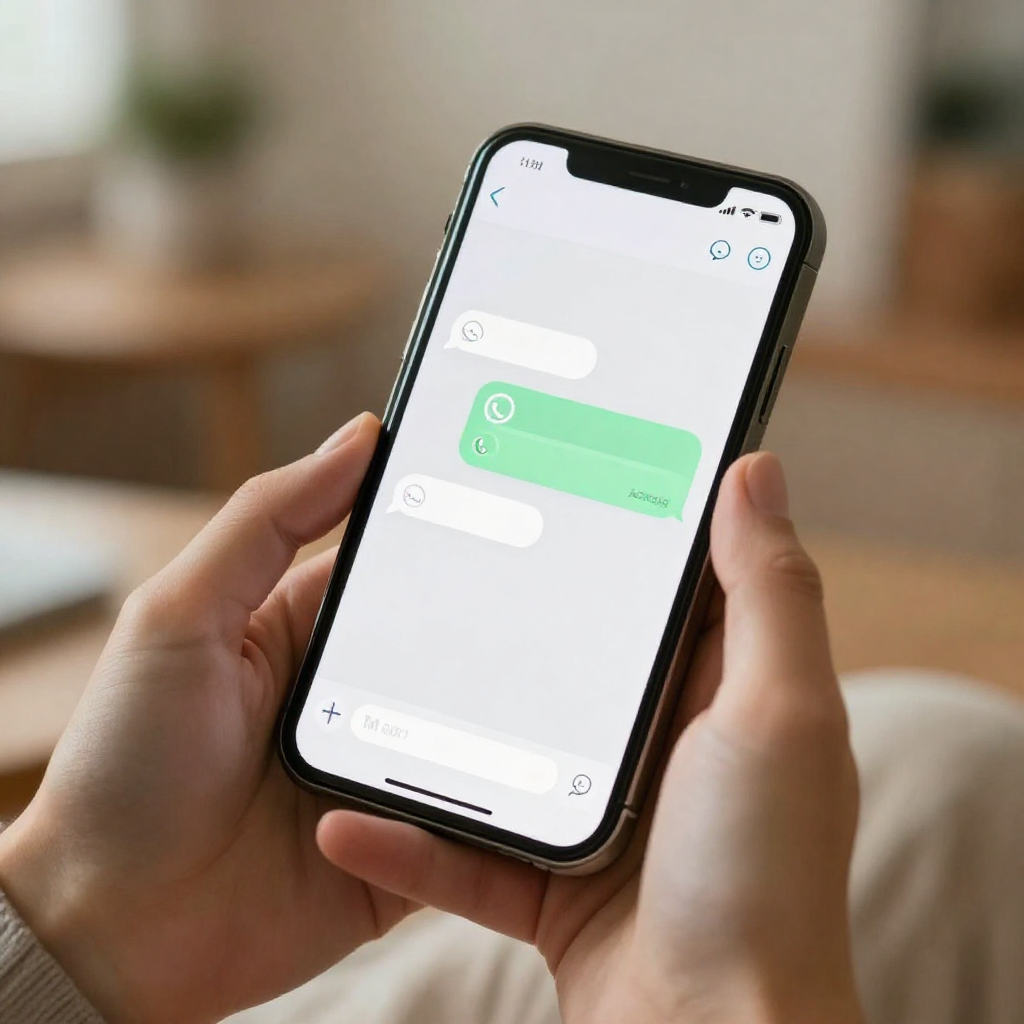
Email inboxes are crowded. WhatsApp messages get read. Open rates on WhatsApp messages consistently outperform email by a significant margin, with some reports placing average WhatsApp open rates above 98%. When you send an invitation through a channel your guests already use every day, you dramatically increase the chance they'll see it and respond.
Sending from your own number matters too. Messages from unknown numbers or generic platforms get ignored or flagged as spam. When a guest sees your name pop up with a beautiful invitation, they're far more likely to open it and reply. That's exactly how Invitofy works. You send your birthday invitations, wedding invites, or any other event invitations directly from your own WhatsApp number.
Tracking RSVPs in Real Time
Knowing who's responded and who hasn't is just as important as sending the invitation in the first place. Without tracking RSVPs, you're back to manually chasing people, which is time-consuming and easy to lose track of.
Use a Platform with Built-In RSVP Tracking
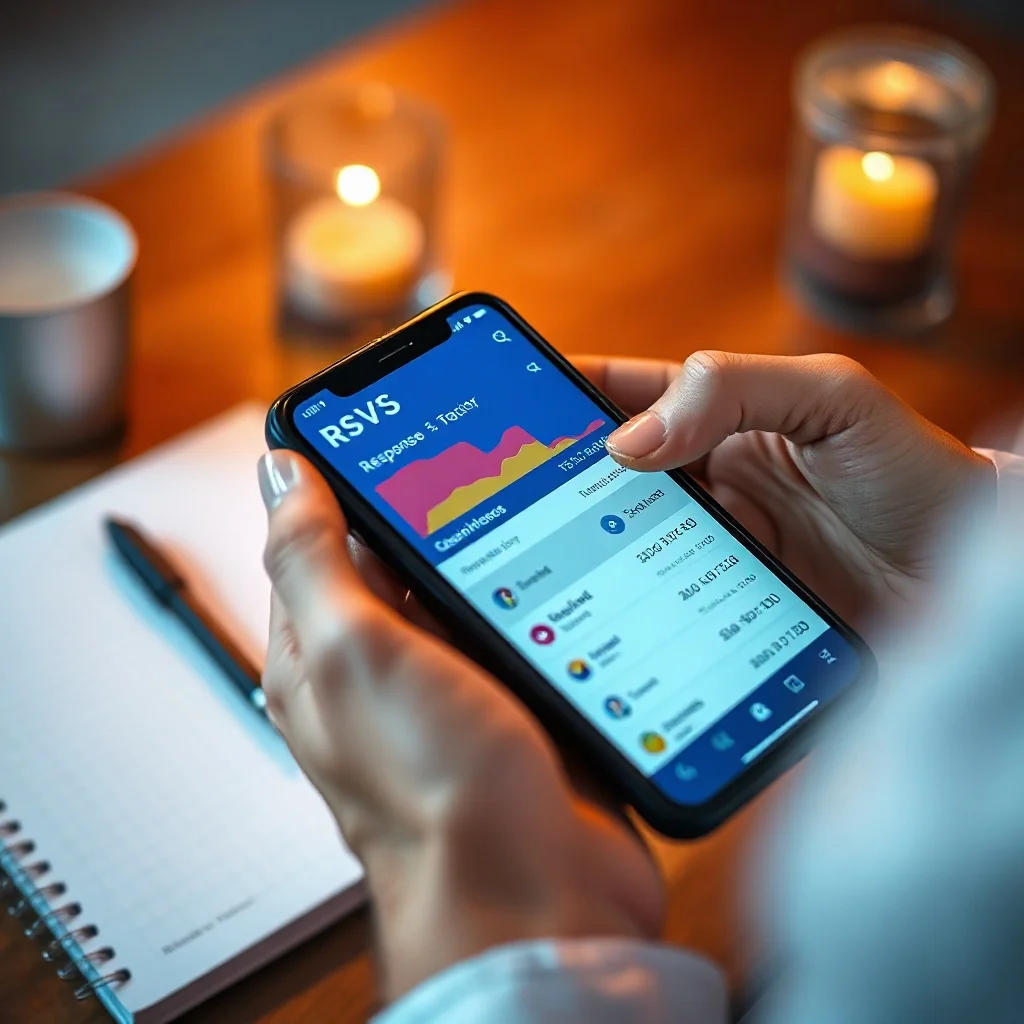
Good digital invite tools show you a live dashboard of confirmed, declined, and pending responses. You can see exactly who hasn't replied yet and follow up with just those people rather than sending a blanket reminder to everyone. This keeps your messaging targeted and avoids annoying guests who've already responded.
Send a Targeted Reminder
A well-timed reminder to non-responders is one of the most effective RSVP tips available. Send it three to five days before your RSVP deadline. Keep it short and friendly. Something like "Hey [Name], just checking if you can make it to [event] on [date]. Let me know!" works well. You don't need to send a full invitation again. A simple, personal nudge is enough.
Set a Hard Deadline and Communicate It
Make your RSVP deadline visible on the invitation itself. When guests can see a specific cut-off date, they treat it as a genuine deadline rather than an open-ended request. After that date passes, follow up one final time with anyone still outstanding, then finalise your numbers and move on.
Common Mistakes That Kill Your Response Rate
Even well-intentioned invitations fail when certain mistakes creep in. Knowing what to avoid is just as valuable as knowing what to do.
Sending to a generic group message removes the personal connection and makes each guest feel less important. Leaving out key details like the venue address, start time, or dress code creates uncertainty, which delays responses. Setting an RSVP deadline the day before the event gives guests no real time to plan and signals poor organisation. And sending your invitation at an odd hour, like late at night, means it gets buried under everything that arrives the next morning.
Check our posts on wedding invitation tips and corporate event invitations if you want category-specific advice on avoiding these pitfalls.
What the Data Says About Digital Invites
Digital invitations consistently outperform physical ones for response rates when they're done well. The convenience of a single tap to RSVP removes the main barrier to responding. Research from the event industry suggests that digital invites with a direct RSVP link generate response rates between 60% and 80% when sent through messaging apps, compared to much lower rates for email or postal invitations.
Guest engagement also stays higher throughout the run-up to the event when you use digital tools. You can send updates, location reminders, and schedule changes without needing to reprint anything or track down phone numbers separately.
Building a Habit Around Better Invitations
The best approach to sending invitations that get responses is to treat each one as a communication task, not just an admin job. Think about who you're inviting, what they need to know, and what will make it easy for them to say yes. Every element, from the wording to the sending platform, either helps or hurts that goal.
Use a consistent process. Pick your platform, personalise each message, set a clear deadline, and follow up once. That's a repeatable system that works for birthday parties, weddings, corporate events, and everything in between. The more consistently you apply it, the better your response rates get over time.
Start Sending Invitations That Get Responses with Invitofy
Invitofy gives you everything you need to create, send, and track digital invitations in one place. You build a personalised invitation from a professional template, send it via WhatsApp from your own number, and watch RSVPs come in on a real-time dashboard. No chasing, no guesswork, no spreadsheets.
Whether you're planning a birthday, a wedding, a corporate event, or a casual get-together, Invitofy makes it straightforward to send online invitations that your guests actually respond to. Create your first invitation at Invitofy and see the difference a well-built digital invite makes.