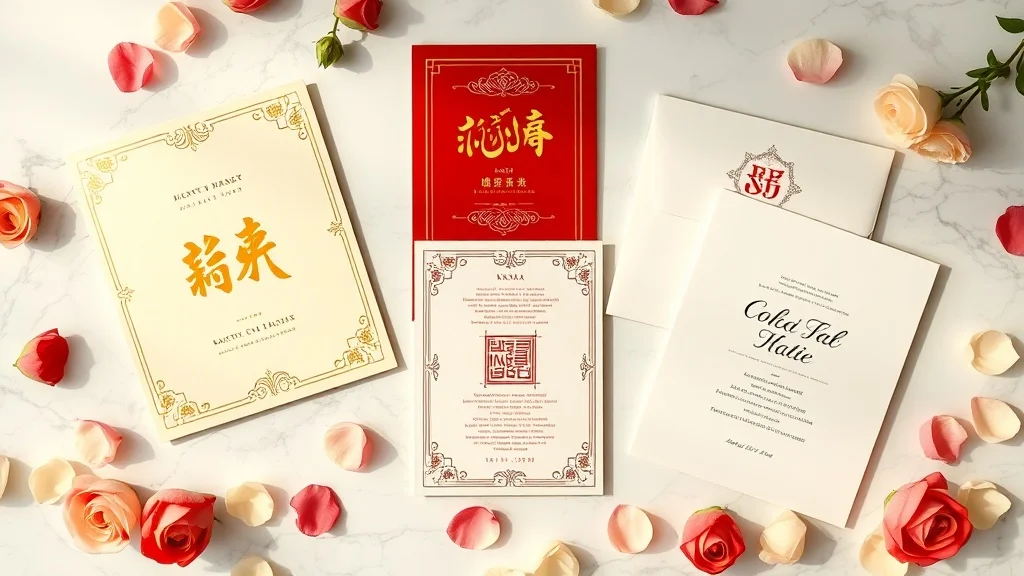
The words on a wedding invitation set the tone before guests arrive at a single ceremony. Nail your wedding invite wording cultural details and you show respect for both families, no matter how different their traditions are. Get it wrong and you risk confusion, offence, or a simple feeling that the invitation was an afterthought.
Why Wedding Invite Wording Cultural Choices Matter So Much
An invitation is the first official communication from you as a couple. It signals formality, faith, family structure, and the overall feel of the day. According to a Pew Research study on religious identity, interfaith and multicultural households are growing rapidly across the world, which means more couples are navigating two sets of traditions at once.
The stakes are real. A Hindu family may expect Sanskrit blessings at the top of the card. A Muslim family will look for Bismillah or a Quranic verse. A Chinese family may care deeply about the order in which names appear. Understanding these expectations before you write a single word saves you from awkward conversations later.
Hindu Wedding Invitation Wording
Traditional Hindu invitations open with a religious invocation. The most common is Shri Ganeshaya Namah (salutation to Lord Ganesha) or Om, printed at the very top. This signals divine blessing on the union before any names or dates appear.
After the invocation, families are listed in a specific order. The groom's family hosts the invitation in many North Indian traditions, so their names come first. In South Indian customs, the bride's family often leads. Always confirm with both families before finalising the order.
Sample Hindu Wording
Here is a clean starting point you can adapt:
Shri Ganeshaya Namah
With the blessings of [Deity Name],
[Groom's Parents' Names] joyfully invite you
to celebrate the wedding of their son [Groom's Name]
with [Bride's Name], daughter of [Bride's Parents' Names].
[Date, Time, Venue]
Kindly grace us with your presence.
Keep the language warm and formal. Avoid casual contractions. Many families also include a separate card for pre-wedding events like the Mehendi or Haldi, so plan for that in your digital invite suite.
Islamic Wedding Invitation Wording
Islamic wedding invitations traditionally open with Bismillah ir-Rahman ir-Rahim (In the name of God, the Most Gracious, the Most Merciful). Many families also include a verse from the Quran, such as Surah Ar-Rum 30:21, which speaks of love and mercy between spouses.
The Nikah (marriage contract) and the Walima (reception feast) are two separate events, and your invitation should clearly distinguish between them. Guests need to know which they are invited to, as not everyone may be included in both.
Sample Islamic Wording
Bismillah ir-Rahman ir-Rahim
"And among His signs is that He created for you mates from among yourselves..." (Quran 30:21)
[Host Names] request the honour of your presence
at the Nikah of [Groom's Name] and [Bride's Name]
on [Date] at [Time], [Venue].
Walima to follow at [Venue] on [Date].
Use respectful titles where appropriate. If the groom or bride holds a religious title, include it. Some families also add the phrase Insha'Allah at the end to acknowledge that the event proceeds by the will of God.
Chinese Wedding Invitation Wording
Chinese wedding invitations follow strict conventions around name order, colour, and phrasing. Red and gold remain the dominant colours because they symbolise luck and prosperity. The invitation itself is often called a xi tie (喜帖), meaning happiness card.
The groom's family is traditionally listed first on the outer envelope. Inside, both sets of parents are acknowledged formally, followed by the couple's names. Avoid the number four in dates or times where possible, as it sounds like the word for death in Cantonese and Mandarin.
Sample Chinese-Inspired Wording in English
Mr and Mrs [Groom's Parents] and Mr and Mrs [Bride's Parents]
request the pleasure of your company
at the marriage of their children
[Groom's Full Name] and [Bride's Full Name]
on [Auspicious Date and Time], [Venue].
Double Happiness awaits.
If you are designing a bilingual invitation, place the Chinese text on the right side when the card opens, as Chinese reads right to left traditionally. For digital invites, a vertical scroll format often works beautifully for this layout.
Western Wedding Invitation Wording
Western invitations follow a host line, request line, couple's names, date and time, and venue structure. Formal wording uses full names and titles. Modern couples often opt for something warmer and more personal.
The host line tells guests who is hosting the event. If both families share costs, you list all four parents. If the couple hosts themselves, you start directly with their names or a phrase like "Together with their families."
Formal Western Wording
Mr and Mrs [Bride's Parents]
request the honour of your presence
at the marriage of their daughter
[Bride's Full Name]
to [Groom's Full Name], son of Mr and Mrs [Groom's Parents]
on [Day], the [Date] of [Month, Year]
at [Time], [Venue], [City].
Modern Casual Wording
We're getting married!
[Name] and [Name] would love you to join them
on [Date] at [Time]
[Venue], [City].
The casual style works well for intimate gatherings. The formal style suits a grand venue or a family with traditional expectations. You know your crowd best.
Cross-Cultural Invitation Wording Tips for Multicultural Weddings
Blending two cultural traditions in one invitation takes thought. The easiest approach is to divide the invitation into two panels or two pages, each dedicated to one tradition. You honour both families without cramming everything into a single confusing block of text.
Another option is a merged wording style that acknowledges both faiths or cultures in a single flowing text. This works when both traditions share enough common ground, such as a Christian-Hindu couple who can open with both a Bible verse and a Sanskrit invocation side by side.
Bilingual invitations are a strong choice for cross-cultural invitations where guests genuinely speak different languages. Place each language block cleanly so neither feels like a footnote. A traditional wedding invitation format gives you a useful baseline before you start customising for two cultures.
Practical Checklist for Multicultural Wording
- Confirm the preferred name order with both families before designing
- Agree on which religious invocations to include and where they sit
- Decide whether to list pre-wedding events on the same card or separate cards
- Check culturally significant numbers and dates to avoid bad omens
- Have a trusted family member from each side proofread the final version
How Digital Invites Make Cultural Wedding Wording Easier
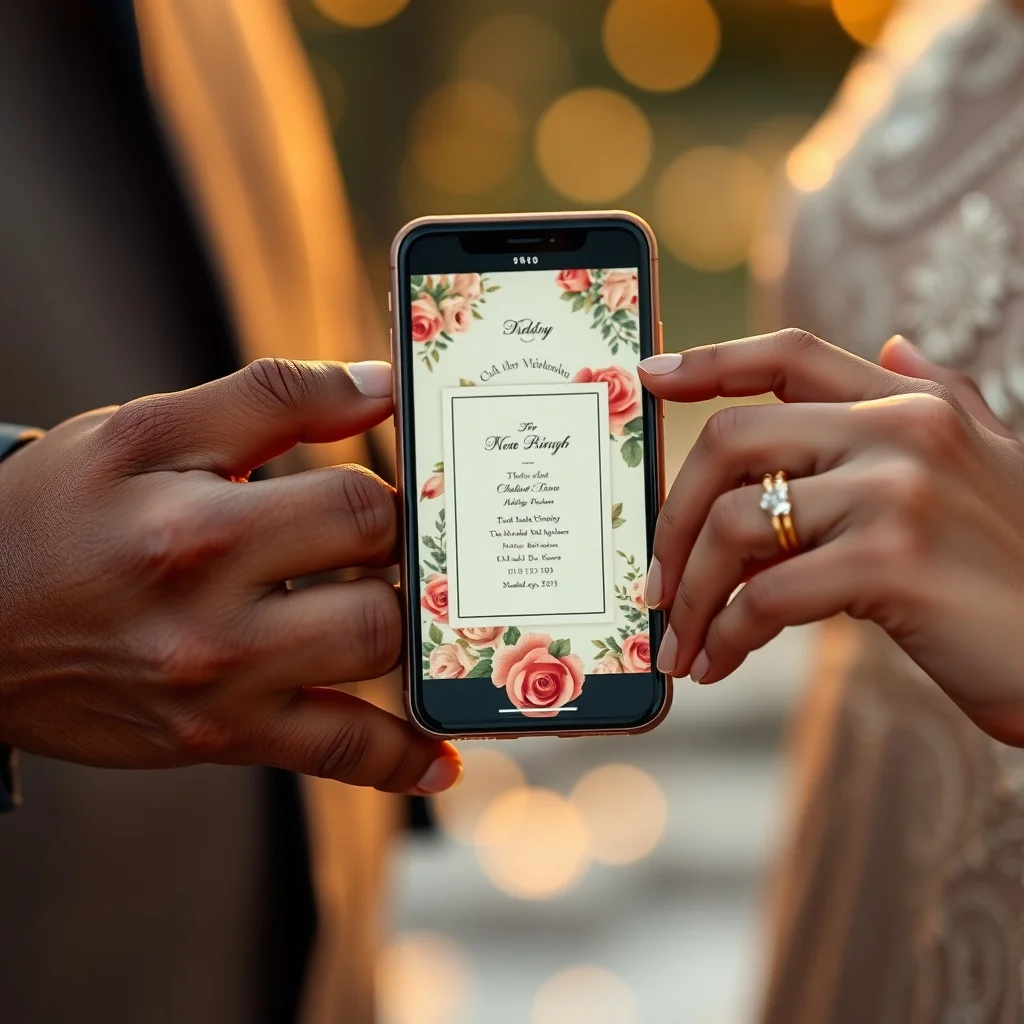
Physical invitations give you one shot. You print, post, and wait. Digital invites let you adjust wording, update venue details, and personalise each message right up until the day you send. That flexibility is genuinely useful when you are managing two families with two different sets of expectations.
With Invitofy's digital wedding invitations, you pick from online templates designed for every style, from ornate traditional layouts to clean modern designs. You customise the wording directly in the platform, add the right invocations or blessings, and preview the result before anyone sees it. No printing fees. No minimum order quantities.
RSVP tracking removes another headache entirely. Instead of chasing guests by phone across time zones or families, you see who has confirmed, who has declined, and who still needs a nudge, all inside your dashboard. For multicultural weddings where guest lists often span multiple countries, that kind of real-time data is invaluable.
Sending Your Cultural Wedding Invites the Right Way
WhatsApp remains the dominant messaging platform across South Asia, the Middle East, Africa, and large diaspora communities worldwide. Sending your invitations through WhatsApp from your own number means guests receive them from a contact they recognise, not an unknown marketing sender. Open rates are dramatically higher than email, and guests can respond directly to the same thread.
Invitofy sends your digital invites through WhatsApp from your own number, so the message feels personal rather than automated. You can also browse other event styles on the full invitations library if you need cards for pre-wedding events like engagement parties or bridal showers alongside your main wedding invite.
For more wedding planning ideas and wording guides, explore the Invitofy wedding blog where we cover everything from save-the-dates to thank you notes.
Final Thoughts on Getting Your Wedding Invite Wording Cultural Balance Right
The right wording shows your guests that you thought about them specifically, not just about filling a template. Whether you are writing a Hindi wedding invitation with a Ganesh invocation, a Nikah card with a Quranic verse, a bilingual Chinese-English xi tie, or a blend of two traditions entirely, the principles stay the same. Be clear, be respectful, and let both families see themselves in the words you choose.
Invitofy gives you the tools to design, customise, send, and track your wedding invitations without the stress of print deadlines or missing RSVPs. Start designing your multicultural wedding invitation today and send it to every guest, across every culture, from a single platform.


