When you start planning an event, one of the first choices you face is whether to send digital invitations vs printed ones. Both work. Both have real advantages. The right choice depends on your event type, your budget, your guests, and how much time you have. This guide breaks it all down honestly so you can decide quickly and move on to the fun parts of planning.
What Are Digital Invitations?
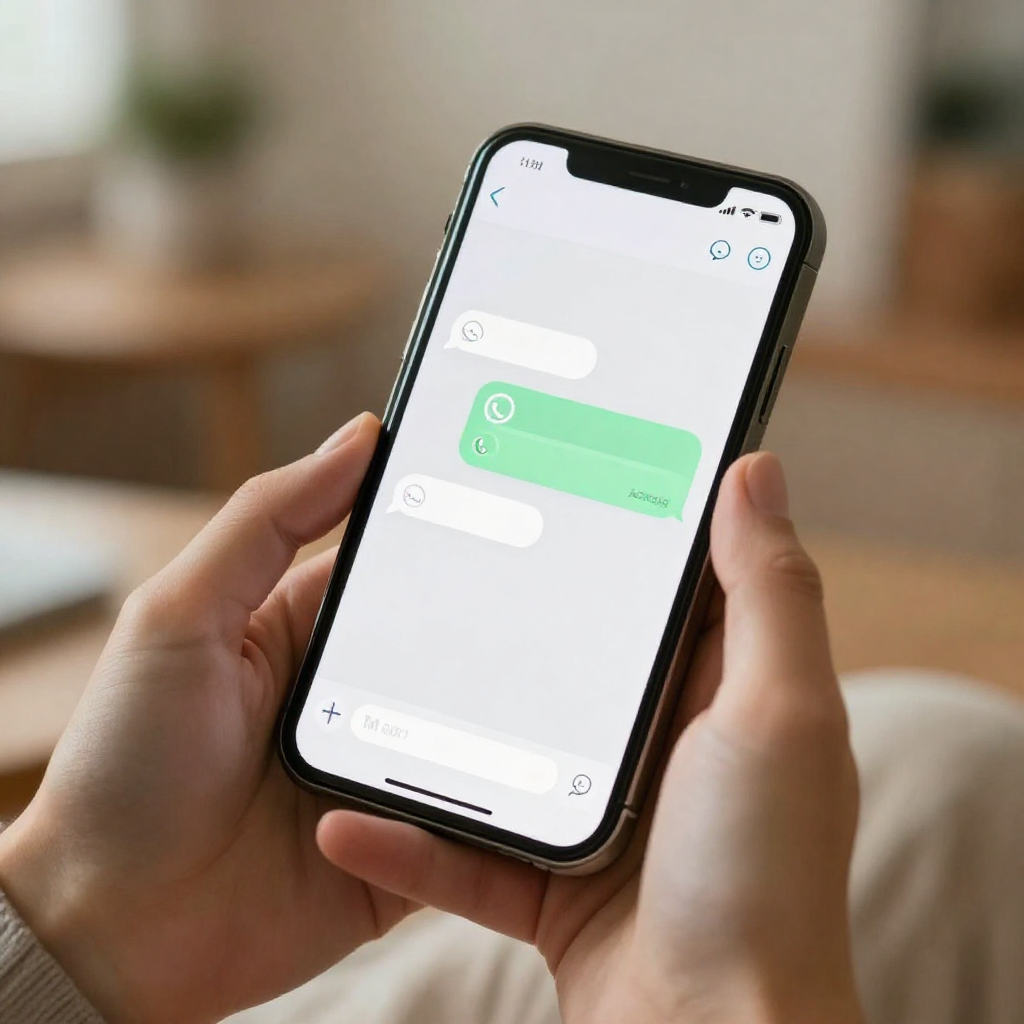
Digital invitations are invitation cards you create online and send via WhatsApp, email, or a shareable link. Guests open them on their phone or computer, read the details, and RSVP with a tap. No printing, no postage, no waiting. Platforms like Invitofy let you design and send a polished digital invite in minutes.
Digital invites can look just as beautiful as printed ones. With the right template, you get stunning typography, rich colors, and a design that matches your event theme perfectly.
What Are Printed Invitations?
Printed invitations are physical cards you send by post or hand out in person. They have been the traditional choice for weddings, formal events, and milestone celebrations for a long time. A well-made printed card feels personal and premium in a way a screen cannot fully replicate.
Printed invitations involve a design process, a print run, and a delivery method. That takes time and money. Done well, though, the result is something guests hold onto.
Digital Invitations: The Pros
Speed is the biggest win. You can design a digital invite today and have it in every guest's inbox or WhatsApp within the hour. There is no print lead time, no postage delay, and no chasing the post office.
Cost is the second major advantage. With digital invitations, you pay nothing for printing and nothing for postage. For a guest list of 100 people, printed invites with postage can run anywhere from £80 to £300 or more. Digital is a fraction of that.
RSVP tracking is far easier. Guests click a button to confirm or decline. You see responses in real time. No manually collecting reply cards, no chasing people on the phone. Platforms like Invitofy handle this automatically. See how it works in this guide to tracking RSVPs online.
Eco-friendly by default. No paper, no ink, no transport emissions from postal delivery. If sustainability matters to you or your guests, digital is the clear choice.
Easy updates. If your venue changes or the time shifts, you update the digital invite once and the change is live for everyone who has the link. With printed invites, a change means a reprint and a second round of postage.
Digital Invitation Limitations
Not every guest is comfortable receiving invites digitally. Older relatives may prefer a physical card. Guests without smartphones or reliable internet access can be harder to reach via digital channels.
Digital invites also lack the tactile feel of holding a beautifully printed card. For black-tie weddings or very formal corporate events, some hosts feel a printed invite better reflects the occasion.
Printed Invitations: The Pros
Physical presence is something digital cannot replicate. A beautifully printed invitation on thick card stock with a foil finish or embossed lettering makes an impression the moment someone holds it. For weddings and high-end events, this matters.
No tech barrier. Every guest can receive and read a printed card regardless of their phone model, internet access, or comfort with technology. You reach everyone equally.
Keepsake value. Many guests keep printed wedding invitations, milestone birthday cards, and formal event invites as mementos. A digital notification rarely has the same sentimental weight.
According to Wikipedia, written invitations date back centuries and remain a meaningful gesture of welcome across cultures. For certain traditions, a physical invite still carries weight that digital simply does not.
Printed Invitation Limitations
Cost adds up fast. Design, printing, envelopes, postage, and addressing all cost money. For a guest list of 150, a quality printed invite run can easily cost £200 to £500 depending on specification.
Lead time is a real constraint. Even with a quick printer, you need at least one to two weeks from design sign-off to delivery. Last-minute events make printed invites very difficult to pull off.
RSVP management is manual. You either include a reply card and pre-paid envelope (more cost) or rely on guests to call, text, or email you back. Neither option gives you the clean real-time tracking that digital platforms provide.
Cost Comparison: Digital vs Printed
For a guest list of 100 people, here is a realistic cost comparison:
Digital invitations: A platform subscription or free tier covers design and sending. Total cost: £0 to £20.
Printed invitations: Basic print from an online printer runs £0.50 to £2.00 per card. Add envelopes, postage at around £0.85 per letter in the UK, and addressing. Total cost: £150 to £350 for 100 guests.
The gap grows even larger for larger guest lists. At 300 guests, quality printed invitations with postage can cost £600 or more. That money goes further elsewhere in your event budget.
Which Should You Choose?
Choose digital invitations if your event is time-sensitive, your budget is tight, your guests are comfortable with technology, or you want easy RSVP tracking. Digital works well for birthday parties, corporate events, community gatherings, baby showers, and casual celebrations of all kinds.
Choose printed invitations if your event is very formal (a traditional wedding, a black-tie gala), if your guest list skews older and less tech-comfortable, or if the physical card is part of the experience you want to create.
Many people do both. They send digital invitations to most guests for speed and convenience, and reserve printed cards for a small VIP list. This approach keeps costs low while still delivering something tangible to the people it matters most to. You can manage your full guest list and track RSVPs digitally regardless of which invitation format you choose.
Making the Switch to Digital
If you have always used printed invitations and want to try digital, start with a lower-stakes event. A birthday party or casual gathering is a good first test. Use a platform like Invitofy to design something that looks just as good as anything you would print, send it via WhatsApp, and watch RSVPs come in without any follow-up required. The difference in effort and cost is significant.
The comparison between digital invitations vs printed is not about which is better overall. It is about which fits your specific event, your guests, and your priorities right now. Most of the time, digital wins on practicality. Sometimes, printed wins on feeling. You know your event best.